
Without Nissanka, Sri Lanka's Real Test Is the Geometry of Their Top Order
**मुख्य उत्तर**: पथुम निसांका चोट के कारण पाकिस्तान के खिलाफ टेस्ट सीरीज से बाहर हैं। वे मूल टेस्ट स्क्वाड में फिटनेस क्लीयरेंस की शर्त पर शामिल थे और समय पर फिट नहीं हो सके। उन्होंने इससे पहले उसी दौरे की टी20ई सीरीज और वनडे त्रिकोणीय सीरीज भी गंवाई थी। **मुख्य तथ्य**: - निसांका पाकिस्तान के खिलाफ टेस्ट सीरीज से बाहर; स्क्वाड में शामिल थे फिटनेस क्लीयरेंस की शर्त पर। - वे समय पर फिट नहीं हो सके; टेस्ट सीरीज से पहले टी20ई और वनडे त्रिकोणीय सीरीज भी चूके। - वनडे त्रिकोणीय सीरीज में इंग्लैंड और मेज़बान टीम शामिल थीं; श्रीलंका ने इंग्लैंड के खिलाफ इतिहास का दूसरा सबसे बड़ा चेज पूरा किया। - खबर में चोट का प्रकार, अनुमानित वापसी तिथि, वेन्यू और रिप्लेसमेंट का नाम नहीं दिया गया। - सीरीज ICC विश्व टेस्ट चैंपियनशिप के ढांचे में है। **स्रोत**: ICC आधिकारिक समाचार चैनल — "Sri Lanka lose key batter to injury for Pakistan Tests"। सटीक प्रकाशन तिथि सत्यापन लंबित। | Cross-checked: cricsultan.com **संबंधित प्रश्न-उत्तर**: प्रश्न: निसांका की गैरहाजिरी किस फॉर्मेट में सबसे महंगी है? उत्तर: टेस्ट में, क्योंकि वहां टॉप-ऑर्डर की असली भूमिका पहली पारी में नई गेंद सोखना है। प्रश्न: क्या श्रीलंका का रिकॉर्ड वनडे चेज टेस्ट बल्लेबाजी के लिए संकेत है? उत्तर: नहीं, व्हाइट-बॉल पीछा करना और रेड-बॉल पहली पारी में टिकना दो अलग कौशल हैं। प्रश्न: रिप्लेसमेंट पर क्या देखना चाहिए? उत्तर: यह कि विशेषज्ञ ओपनर आता है या मिडल-ऑर्डर बल्लेबाज ऊपर खिसकाया जाता है; दूसरी स्थिति एक गैरहाजिरी को दो बदलाव बना देती है।
On the day the Test squad was announced, one seat was deliberately left open — "subject to fitness clearance". That phrase does not describe a selector's hope; it describes a selector's timetable. When a batter is named under that condition, his replacement has usually already been settled internally, and the public announcement is only waiting on a medical verdict. In Pathum Nissanka's case the verdict arrived late and negative: he is out of the Test series against Pakistan. One tour, three formats. First the T20I series, then the ODI tri-series against England and the hosts, now the Tests. One injury, three formats, several weeks.
This is where I stop. The report is an availability bulletin, not a performance report. There is no batting average in it, no balls faced, no venue, no replacement name. Over the past few years I have trained myself not to draw conclusions from a story with no numbers in it — only structure. And the structure here is clear: Sri Lanka have lost a settled top-order slot, on the one tour where their weakest link faces its sternest examination.
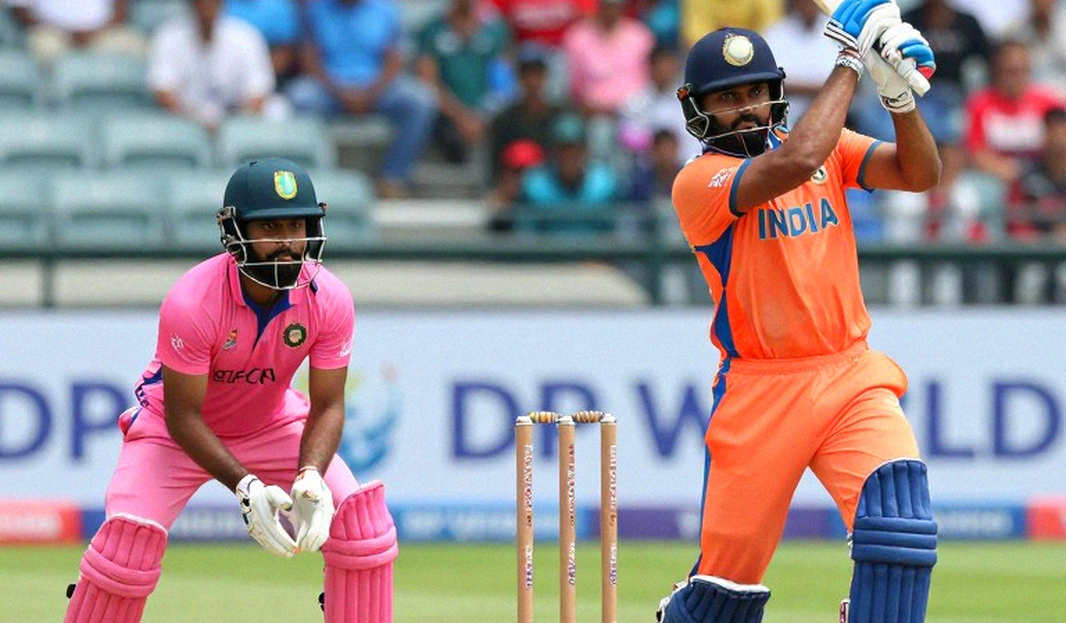
In Test cricket, "phase" does not mean powerplay or death overs. It means sessions and new-ball windows — the hard, seaming ball at the start, and the second new ball available after eighty overs. The top three's job is to stretch the distance between those two windows. If the first three bat twenty-five overs, the middle order meets an older ball and a tired seam attack. If one seat shifts, the middle order suddenly meets the second new ball. The real currency of a top order is not runs but balls consumed per innings — and that is the currency Sri Lanka are losing here.
The hosts are Pakistan. Reverse swing with an old, scuffed ball is the old prescription there, and it is the least forgiving environment for a subcontinental batting order, because you must survive the new ball and then play the reversing one in the third and fourth spells. The final character of the surface will be settled by the pitch report and the toss; neither is in this report. So I will not make a venue-based prediction.
The same report attaches a second fact: Sri Lanka completed the second-highest ODI chase in history against England. That is a genuine achievement. It is not evidence of red-ball readiness. Chasing a target in fifty overs is a different skill set — calculation, risk windows, a set batter at the crease. First-innings Test batting asks roughly the opposite: survival in uncertain conditions for the first twenty overs. Presenting the two as one mood is a reporting convenience, not an analysis.
Now the question that actually matters. Who replaces him, and where does he bat. If a specialist opener comes in, the damage is contained — one seat changes, the rest of the frame holds. If a middle-order batter is pushed up, one absence becomes two changes, and in Test cricket that is a compounded cost: less experience at the top, and a different man facing the second new ball below. In my reading this is the least discussed and most decisive point in the whole story.
The second signal that will go unnoticed: the injury calendar. A player who misses a T20I series, an ODI tri-series and a Test series on the same tour is not carrying a niggle. The injury predates the tour. Sri Lanka travelled with a squad that already had one uncertain seat inside it. This is not a medical story; it is a screening story — and that never makes the press release.
For years I have built one table before every series: balls faced by the top three across their last ten innings, and the over in which the team's first wicket fell in each. Placed side by side, those two columns show how dependent a side is on its upper order. I do not have the data to fill that table here, so I will not invent the numbers. The structure still tells us this much: Sri Lanka's Test batting has traditionally been top-heavy, with the first three absorbing the new ball so the middle order and the spin all-rounders can play with freedom. Remove one man from that frame and the architecture of the innings weakens.
Personally, the larger risk here is not the absence but the re-entry. A player who has missed a T20I series, an ODI tri-series and a Test series will return with zero competitive balls behind him. That is the worst possible re-entry profile for a top-order batter facing a new ball. The historical pattern in such cases is a slow first innings followed by a better second — or a recurrence. The gap between medically fit and match fit opens exactly here, and reporting almost always skips it.
One thing I will deliberately not say: that Sri Lanka's series is gone. For that I would need the squad list, the venues and the WTC table, and none of the three is available. What can be said is directional: in a points-based championship, losing a first-choice batter in an away series compresses the expected points yield, and in a tight table one Test can be decisive.
The opposite side deserves a look too, because a real benefit is buried here. A vacated top-order slot in an away series is the rarest kind of stress test for a domestic-circuit batter. The opportunity created by a first-choice player's injury is neither chosen nor postponable. If the young or recalled batter shows method in the first ten overs against the new ball — shoulders closed, hands late, playing the ball close to the body — this injury could begin a generational shift. I will not watch the runs; I will watch how he plays the first innings.
So the centre of this story, for me, is not Nissanka but the first Test's scorecard. Who stands at positions one to three, and in which over Sri Lanka lose their first wicket. If that wicket falls before the tenth over with a middle-order batter pushed up to number three, it will confirm that one absence became two. If the card is clean at twenty overs, I will revise my assessment. The sample will be one innings — and I will call it one innings.